How Digital Health Monitoring is Transforming Patient Care in India
Transforming Patient Care: Digital Health Monitoring India
The Waiting Room Revolution
Imagine a sweltering district clinic deep in rural Maharashtra. Wall-to-wall bodies. People spilling out onto the dirt paths outside. Men and women sit slumped on wooden benches for hours. They wipe sweat from their eyes after enduring a brutal fifty-kilometer bus ride simply to get a blood pressure check. It shows a broken medical machine heavily biased toward big cities. But that deep exhaustion is melting away.
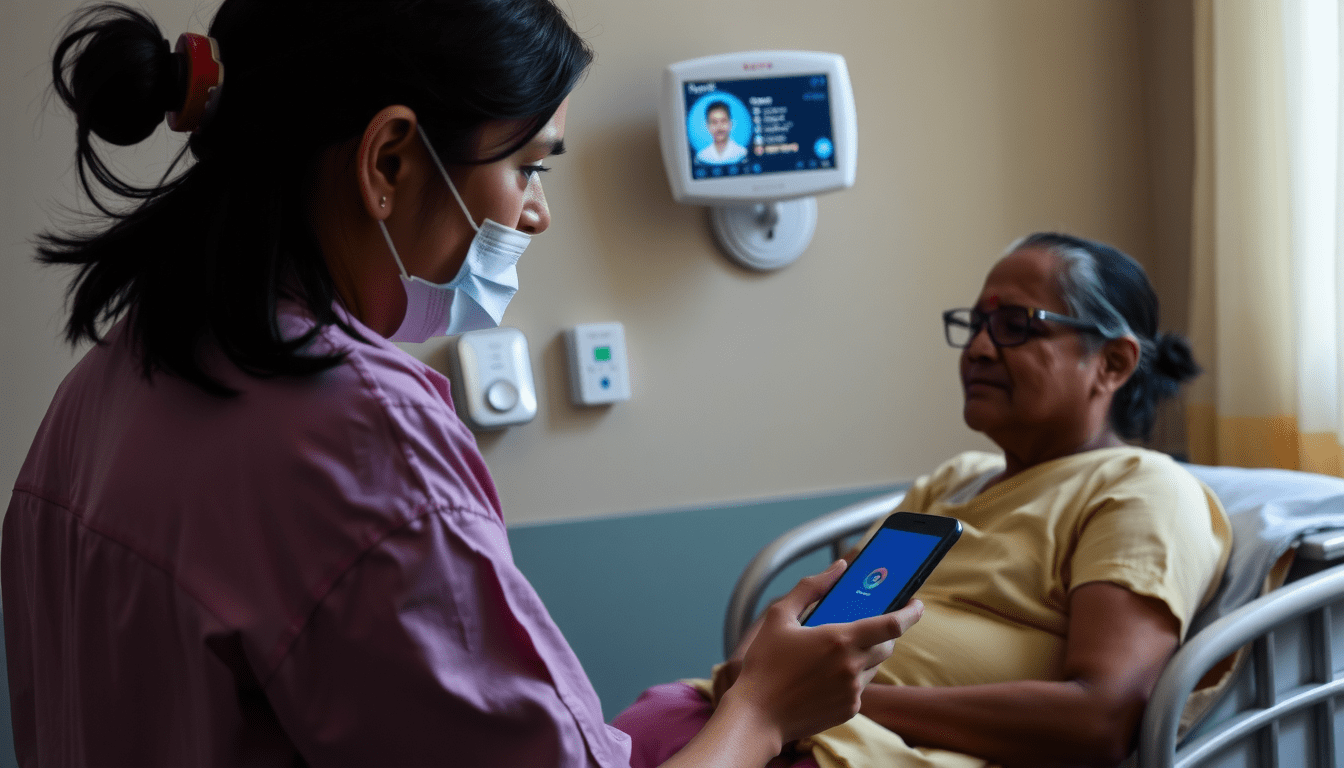
Invisible currents of medical data now spare families from those grueling, day-long journeys. Panic-driven emergency medicine is stepping aside. Quiet, constant watchfulness takes its place. This motion lays a distinct path for digital health monitoring India. Physicians and software creators finally possess a clear map to watch over people from hundreds of miles away. They lean on fresh gear, smart rollouts, and massive structural shifts.
The Rise of Digital Health Monitoring India in Chronic Care
Managing chronic illness once meant flying blind. Physicians caught only tiny, fragmented glimpses of a person’s life. Think about Ramesh. He once wedged himself onto a suffocating transit bus every month simply to adjust his insulin. His physician in Bengaluru built a whole care plan around a single fasting blood sugar stick from that morning. Continuous glucose monitors ripped up that old script entirely. Tiny sensor patches, such as the Abbott FreeStyle Libre, cling tight to the tricep. They sample fluid just beneath the skin. They fire those numbers directly to a smartphone.
No more stabbing in the dark. Ramesh routes a complete fourteen-day diary to a secure digital vault. His physician watches a plate of rice and lentils hit his bloodstream in real time. The chart spikes. The doctor adjusts the prescription instantly. Ramesh skips the brutal bus ride completely. Clinics aiming to master this setup demand fierce discipline for handling the data flood. Directors must select programs that sort the numbers without clutter. They dial in sirens that blare the moment a person’s sugar drops into the danger zone. This endless stream of shared numbers cuts severe diabetic hospital returns by nearly forty percent.
Tele-ICUs Bridging the Geographic Divide
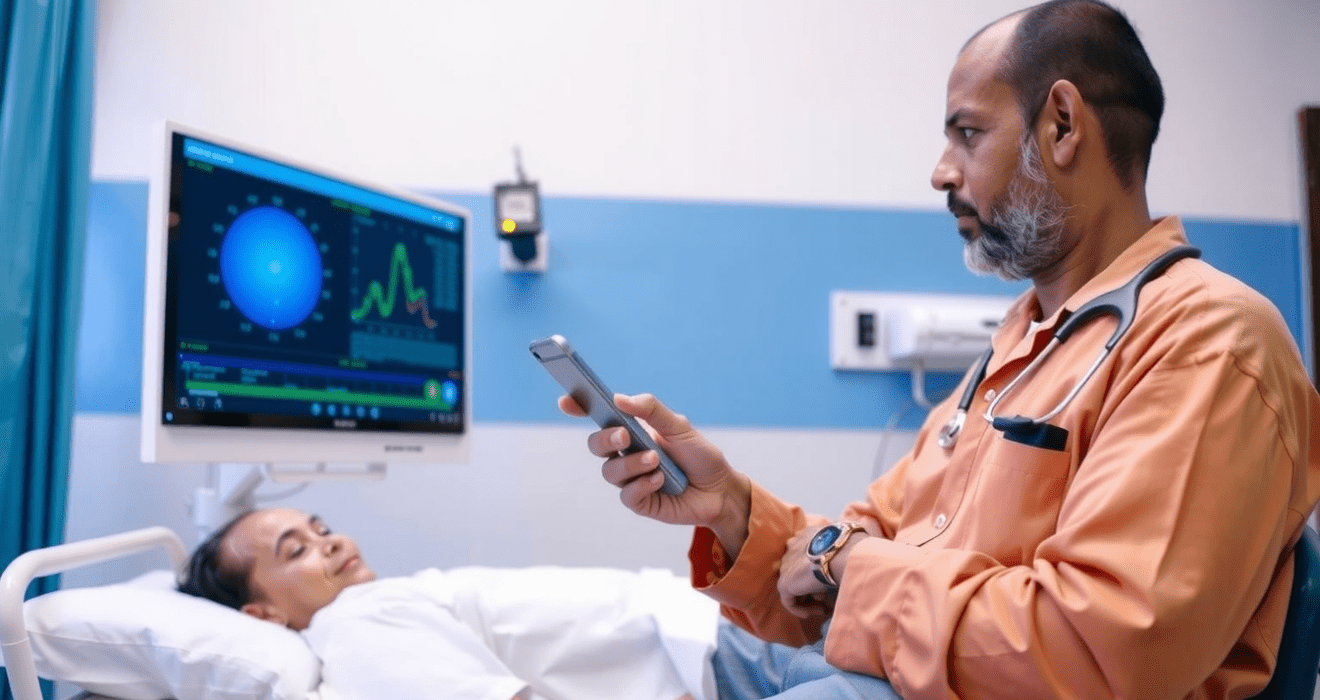
Surviving a massive heart attack once relied heavily on your postal code. Village clinics rarely housed the seasoned specialists roaming city wards. The hub-and-spoke Tele-ICU model smashed that wall to pieces. Imagine a vast, dark command center in Chennai. Veteran intensivists stare at massive screens. They watch over a hundred distant ICU beds in tier-3 Tamil Nadu towns simultaneously. Crisp cameras catch every single rise and fall of a chest. Ventilators and vital signs flow through armored broadband pipelines without skipping a beat.
An oxygen level drops fast in a faraway outpost. A red light flashes in Chennai. The veteran specialist jumps on the feed. They talk the rural doctor through a brutal intubation step by step. Apollo TeleHealth built this exact machine. It pulled elite medical talent deep into the most isolated pockets of the nation. Directors building these rooms follow one iron rule. They buy enormous, redundant internet pipes for every remote clinic. Frozen video feeds and stalled numbers kill people during a code.
Predictive Analytics and Contact-Free Vitals
Cardiac events give no warning. Relying on a person to feel a slight chest squeeze and drive to an emergency room costs lives. Hospital-grade wearables and touch-free sensors fill this terrifying gap. Native startups like Dozee slip thin sensor sheets beneath a mattress. Nothing touches the skin. The pad simply senses the heart beating. It maps the pulse, breaths, and blood pressure through the science of ballistocardiography.
Hidden computers chew through these tiny mechanical vibrations. They detect trouble a full sixteen hours before a body actually shuts down. Exhausted nurses sprinting across crowded public wards lean on these automated scores. They know exactly who needs an intervention right now. It strips away endless charting and halts disasters before they strike. Tech squads installing this hardware demand direct HL7 or FHIR links to the main electronic records. Sending vital signs straight to the chart erases human typing errors completely.
The Backbone of the Ayushman Bharat Digital Mission
Hardware trapped behind corporate walls saves very few. The true engine driving this leap is the government-run Ayushman Bharat Digital Mission. This massive undertaking creates a deeply linked, nationwide medical web. Citizens receive an ABHA health ID. This single string of characters pulls their past illnesses, wearable data, lab drops, and remote visits into one unbroken timeline.
A physician sitting in Delhi summons the entire medical history of a worker from Bihar in milliseconds. They read live heartbeats from the laborer’s wrist. This open exchange stops rural clinics from ordering identical blood tests twice. It prevents deadly pill combinations. Coders building health software for local citizens must obey Unified Health Interface rules. Their code must speak fluently with national databases. Obeying these laws is a strict requirement for any company wanting to expand across the nation.
High-Speed Networks Powering Real-Time Responses
Delay is lethal in remote medicine. A frozen screen costs lives. The rapid spread of 5G towers across the nation supplies the raw muscle needed to move massive rivers of body metrics every second. Fast pipes shove enormous MRI scans to faraway experts in moments. Paramedics tearing down the highway stream crisp 4K video and live heart rhythms straight to the waiting emergency room.
Nurses ready the trauma bay. They pull the correct blood type from the cooler. They brief the surgical team long before the ambulance siren echoes down the street. Clinics check their field gear daily to ensure every tablet runs on 5G networks. Forging scattered machines into a life-saving net rests entirely on the back of these powerful cellular towers.
The Inevitable Shift to Proactive Healing
The rise of digital health monitoring India rewrites the rules of medicine. It trades chaotic hospital visits for quiet, unbroken digital watchfulness. Seeing sugar numbers spike shows a person exactly how their lunch affects their blood. Sending Tele-ICU rooms deep into farming pockets hands everyone a fair shot at top-tier care. Letting smart algorithms spot early danger tells nurses who to rescue first. It halts quiet organ failures long before a person even feels dizzy. Binding these separate threads together through the Ayushman Bharat Digital Mission guarantees physicians see the whole, unvarnished truth. Pairing smart skin sensors with blazing internet speeds guarantees your home address never again decides if you survive.