The Future of Preventive Healthcare: Why Regular Health Monitoring Matters
Unlocking Regular Health Screening Benefits for Longevity
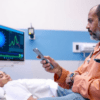
Five years ago, a man named Rajesh walked into our clinic. His blood pressure was sitting at a terrifyingly high level. That same hypertension could have been tamed three years earlier using a cheap at-home cuff. His story lays bare a fatal flaw in modern care. We wait for the engine to seize up before we bother checking the oil. This article lays out the raw mechanics and regular health screening benefits. Early tracking saves lives. It shields families from total financial ruin. By defending our daily well-being rather than chasing down fully formed illnesses, we rewrite our medical destinies entirely. This pivot also highlights exactly why preventive healthcare is important in India. The nation faces a crushing wave of lifestyle-driven metabolic disorders right now.
Maximizing Regular Health Screening Benefits Through Proactive Medicine
Our ancestors treated illness after the damage was done. They had no other choice. They lacked the tools to peer inside the human body before a disease announced itself. Today, that blind spot is completely gone. Continuous health monitoring hums quietly in the background of our daily lives. Consider the Apple Watch Series 9 mapping electrocardiogram data on the fly. Look at continuous glucose monitors like the Abbott FreeStyle Libre beaming blood sugar fluctuations straight to a smartphone screen. We watch patients dodge full-blown Type 2 diabetes constantly. A wearable sensor simply catches severe glucose spikes. Often, those spikes happen right after eating a meal they swore was healthy. A plain bowl of oatmeal can send blood sugar skyrocketing. Tracking resting heart rate variability over six months paints a far sharper picture of cardiovascular stress than one isolated annual electrocardiogram ever could. Waiting for an emergency room visit is an outdated way to maintain the human body.

Unpacking the Core Diagnostic Advantages
Routine diagnostics hold immense value. They catch tiny baseline deviations long before those shifts turn into clinical disease. The Diabetes Prevention Program proved that stepping in early with structured lifestyle changes stops prediabetes from turning into Type 2 diabetes by 58 percent. Routine lipid panels now extend far beyond basic cholesterol checks. Measuring ApoB particles hands a cardiologist an exact timeline of arterial plaque buildup. We urge patients to request high-sensitivity C-reactive protein tests. This specific lab measures hidden systemic inflammation. That inflammation drives heart attacks and strokes. Catching a thyroid issue early with a full TSH, Free T3, and Free T4 panel changes everything. It spares someone years of unexplained fatigue, sudden weight gain, and mental fog. These exact data points give doctors the power to prescribe highly targeted nutritional shifts and specific exercise routines instead of offering vague advice.
Addressing the Regional Crisis in South Asia
The medical landscape across South Asia requires immediate attention. The Indian Council of Medical Research recently released the INDIAB study with chilling figures. India now holds over 101 million people living with diabetes. Another 136 million deal with prediabetes. Rapid urbanization, heavy carbohydrate consumption, and desk-bound jobs have brewed a perfect storm for metabolic syndrome. Grasping exactly why preventive healthcare is important in India means looking at the raw financial toll. Chronic illnesses utterly devastate middle-class families. A standard full-body health checkup runs between INR 2,500 and INR 5,000. Contrast that with a late-stage myocardial infarction. Bypass surgery easily runs past INR 3,00,000. That figure completely ignores the harsh reality of lost income during a long recovery. Spotting elevated liver enzymes on a standard ultrasound stops non-alcoholic fatty liver disease dead in its tracks. It prevents permanent cirrhosis. Annual diagnostic testing must become just as normal as renewing a car insurance policy.
The Role of Artificial Intelligence in Predictive Medicine
Machine learning algorithms have completely rewritten how we forecast medical events. Systems trained on millions of patient records can now scan a basic retinal image to spot early warning signs of diabetic retinopathy. They flag cardiovascular disease and early-onset mental decline years before clinical symptoms surface. We rely heavily on AI-driven electrocardiogram scans to catch silent atrial fibrillation. Human eyes routinely miss those tiny irregularities during a rushed clinic visit. This technological leap massively multiplies regular health screening benefits. Every data point collected today feeds predictive models that generate highly accurate forecasts about your physical future. Hospitals now deploy predictive analytics to sort patient risk levels. This ensures someone with subtle kidney markers gets a nephrology consultation long before they ever need a dialysis machine.
Architecting Your Personal Diagnostic Framework
Building a strong monitoring setup means ditching generic annual physicals. You need highly specific, data-driven habits. Start with a continuous glucose monitor for a brief 14-day window. This establishes a personalized glycemic baseline. It exposes hidden food triggers. Adults crossing the age of forty need a baseline DEXA scan to gauge bone mineral density and assess sarcopenia risks. Finding bone loss early leaves plenty of time to start heavy resistance training. Tracking sleep architecture with tools like the Oura Ring uncovers silent threats. Obstructive sleep apnea ruins metabolic health and speeds up cognitive decay. Women over thirty-five need full hormone panels covering estradiol, progesterone, and DHEA-S. This maps their perimenopause transition with precision. Gathering this information turns a passive patient into an active designer of their own longevity.

The Psychological Shift from Fear to Empowerment
People often dodge medical clinics out of deep fear. They dread the discovery of a hidden illness. That avoidance just ensures the developing problem will be brutally difficult to treat when it finally forces a hospital visit. We see a total psychological shift in patients who welcome continuous monitoring. They watch a high blood pressure reading drop immediately in response to a daily walking routine and a strict cut to processed sodium. Their anxiety melts into pure confidence. They stop seeing their bodies as unpredictable biological time bombs. Instead, they treat them as highly responsive systems that adapt instantly to better habits. Watching a stubborn HbA1c number slide from 6.1 to 5.4 over three months of dietary tweaks delivers an intense neurochemical reward. That simple numerical drop reinforces healthy choices far better than any external motivation ever could.
Building a Proactive Future
Changing how we approach medicine demands concrete steps toward continuous self-tracking. First, wear a device to track daily metrics like resting heart rate and sleep quality. Second, book deep blood panels every six months to monitor inflammatory markers and metabolic shifts. Third, lean on regional data to grasp local risks. This underscores the exact reasons why preventive healthcare is important in India. Finally, do not view these regular health screening benefits as tedious medical chores. Treat them as your ultimate plan for protecting your physical independence. The future of medicine belongs to those who measure their baseline health right now.